



Market Overview and Growth Drivers
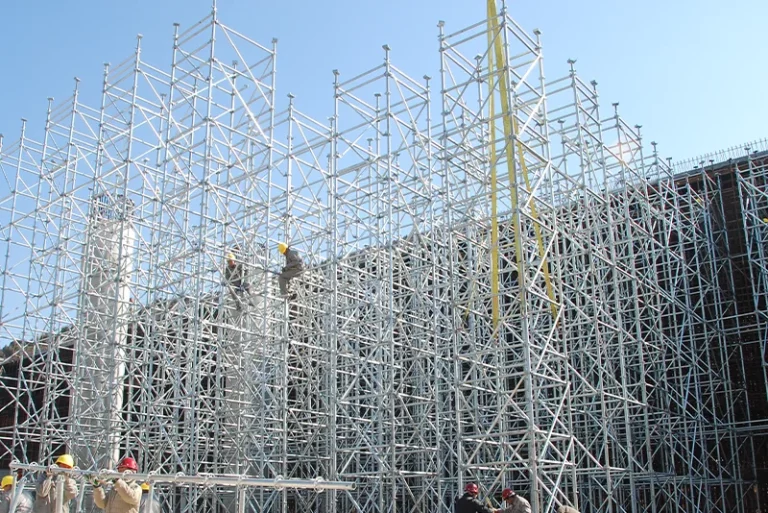
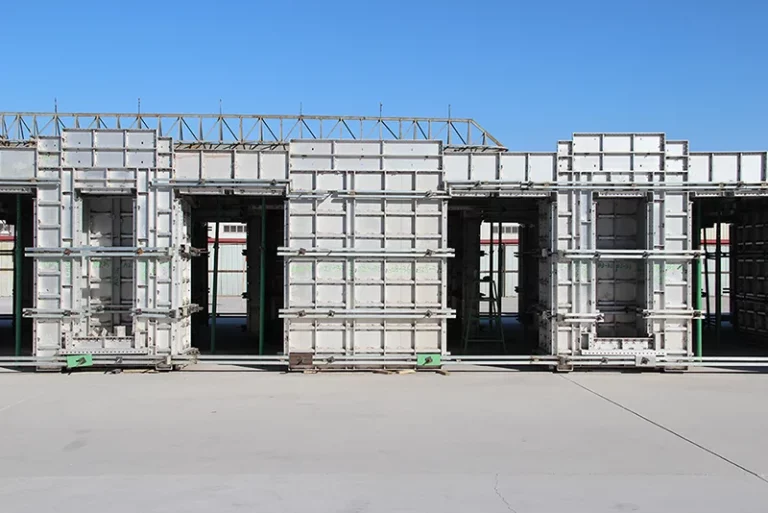
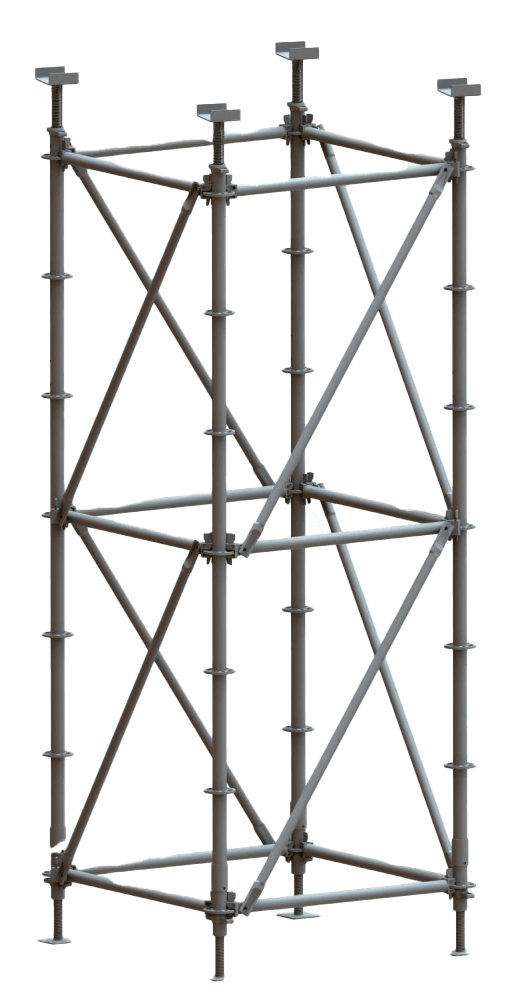
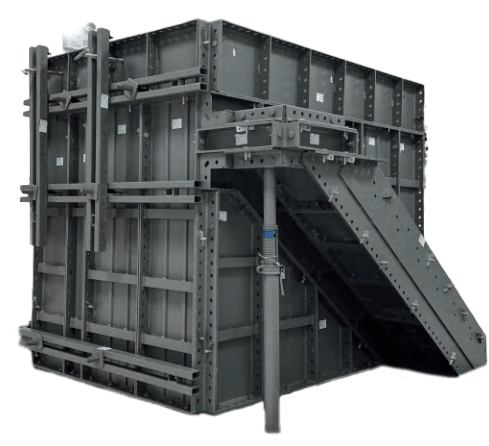
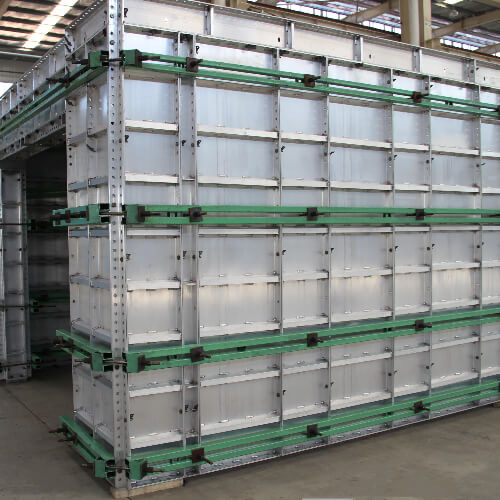
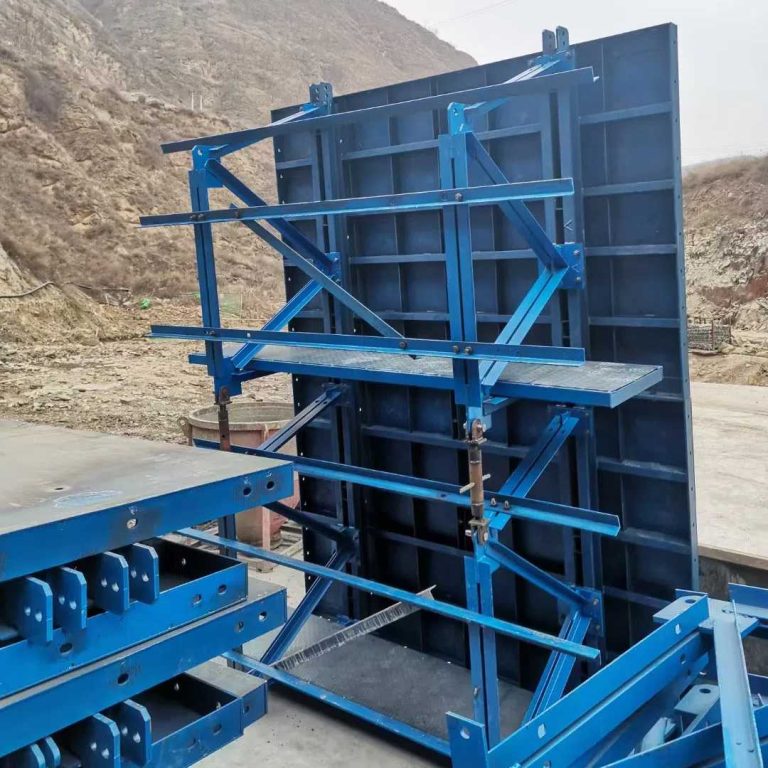
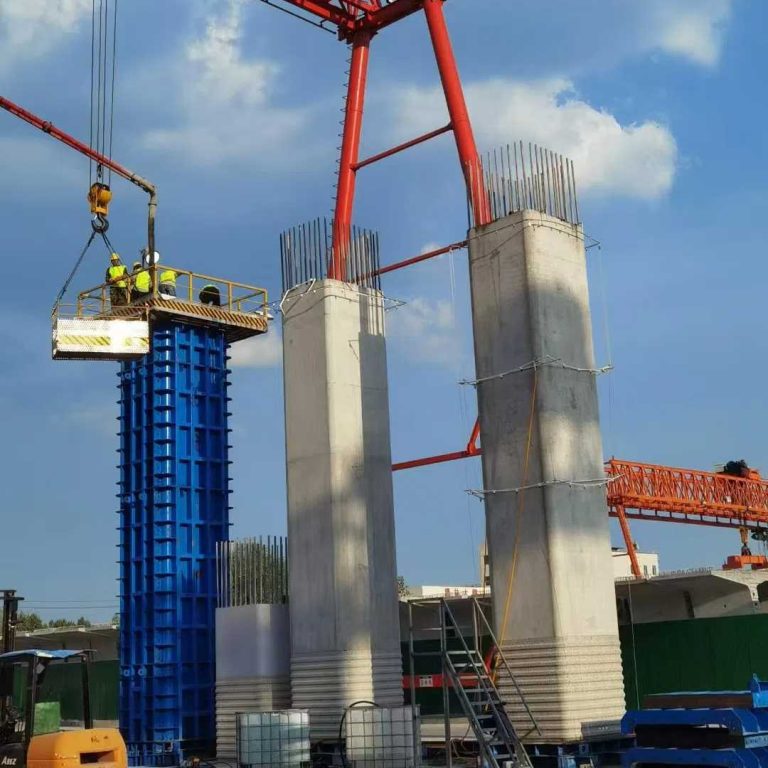
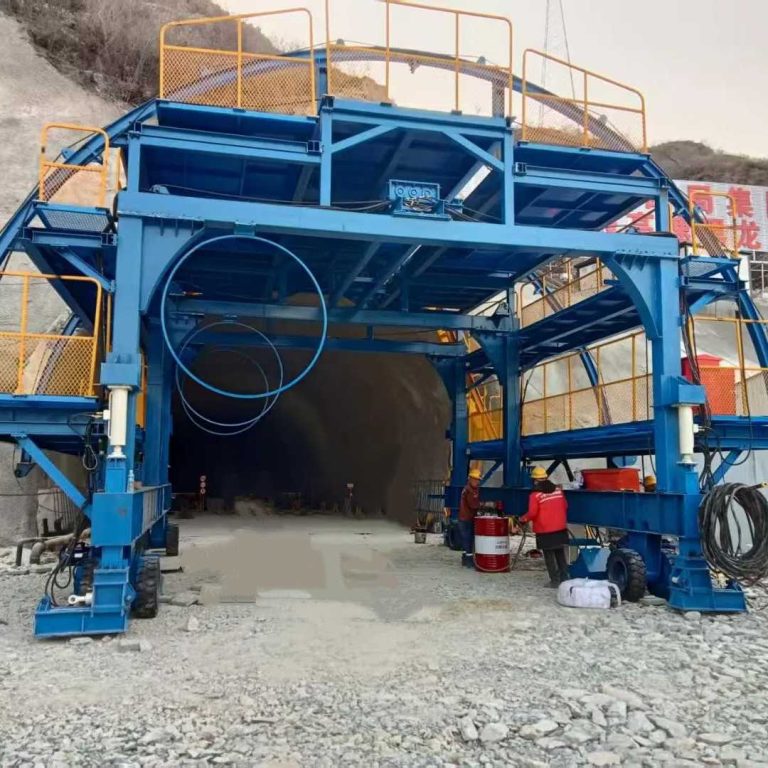
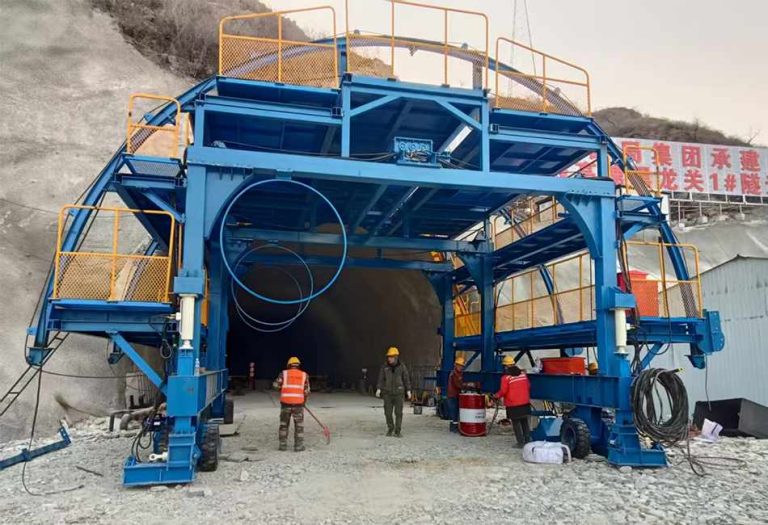
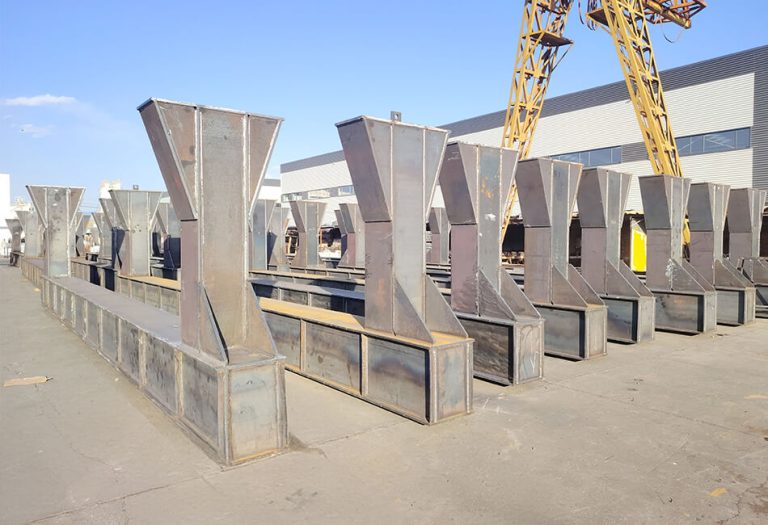
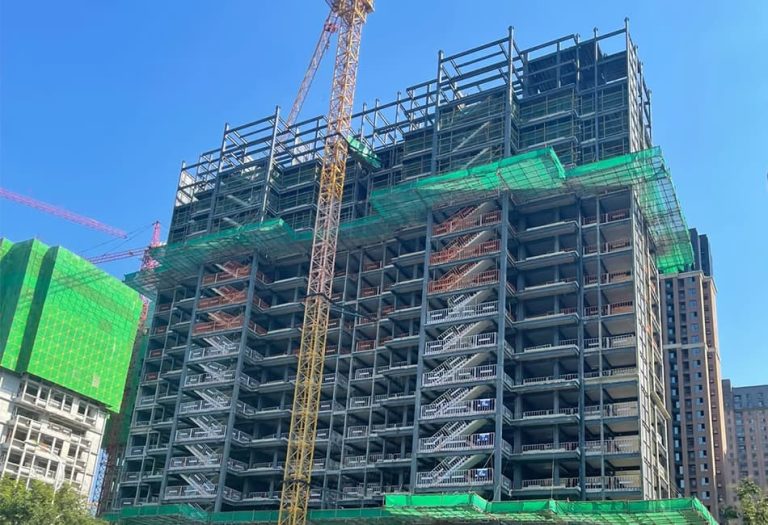
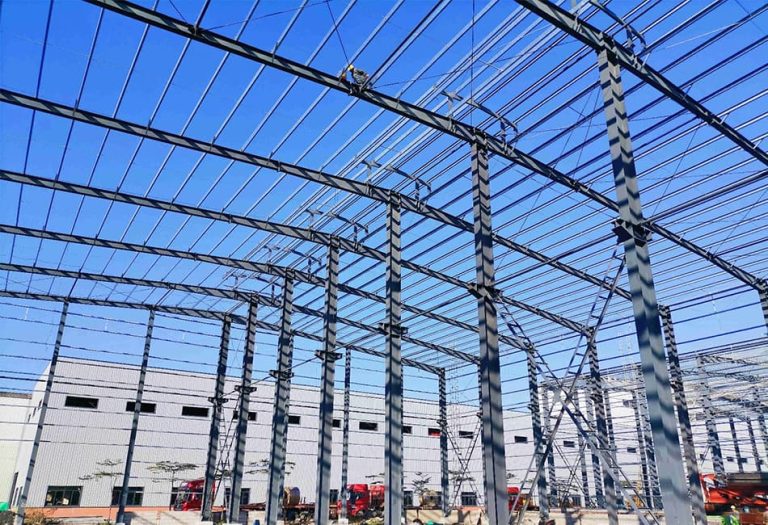
The global scaffolding and formwork market is set to experience robust growth in 2026, driven by the acceleration of sustainable construction practices, advancements in modular and digital systems, and stringent safety regulations. This analysis provides a comprehensive outlook on the market trends, opportunities, and challenges shaping the industry this year.
1. Rising Demand for Sustainable Construction
- Green Building Mandates: Governments worldwide are implementing stricter green building codes (e.g., LEED, BREEAM, and China’s “Dual Carbon” goals). Scaffolding and formwork made from recycled steel, low-carbon aluminum, or bio-based materials will be in high demand.
- Circular Economy Adoption: Contractors increasingly prioritize suppliers offering reusable, recyclable, or modular systems to minimize waste and reduce carbon footprints.
- Renewable Energy Projects: The global push for solar, wind, and hydroelectric infrastructure (e.g., offshore wind farms, utility-scale solar plants) will drive demand for specialized scaffolding and formwork solutions.
2. Technological Advancements in Modular Systems
- Smart Scaffolding & Digital Formwork: By 2026, IoT-enabled scaffolding (for real-time load monitoring, safety alerts) and AI-powered formwork systems (automated alignment, precision pouring) will revolutionize the industry. These innovations enhance safety, reduce downtime, and improve project efficiency.
- 3D Printing in Formwork: Large-scale 3D printing of formwork components (e.g., concrete molds) will gain traction, enabling faster production, reduced material waste, and complex design capabilities.
- Prefabrication & Modularization: Offsite manufacturing of scaffolding and formwork panels will accelerate, reducing on-site labor and accelerating project timelines.
3. Safety and Regulatory Compliance Trends
- Stricter Safety Standards: Governments are mandating advanced fall protection, load-bearing certifications, and real-time safety monitoring for scaffolding and formwork. Non-compliance penalties will drive adoption of certified, safety-focused systems.
- Insurance and Liability Pressures: Construction firms face rising insurance costs due to workplace accidents. Investing in compliant, safety-engineered systems will mitigate risks and reduce liability.
Leasing vs Professional Subcontracting: Trends in 2026
Leasing Model Evolution
Flexible Leasing Solutions: Short-term, on-demand leasing will dominate small-scale projects (e.g., residential renovations, minor infrastructure repairs). Digital platforms will streamline rental booking, tracking, and return processes.
Challenges: Material waste, lack of technical expertise, and rising logistics costs will persist. However, leasing companies that offer “smart leasing” (IoT-enabled asset tracking, maintenance) will gain a competitive edge.
Professional Subcontracting Model Innovation
End-to-End Services: Subcontractors will expand beyond installation to offer design, engineering, and maintenance services. This “turnkey” approach will dominate large-scale projects (e.g., airports, high-speed rail, mega malls).
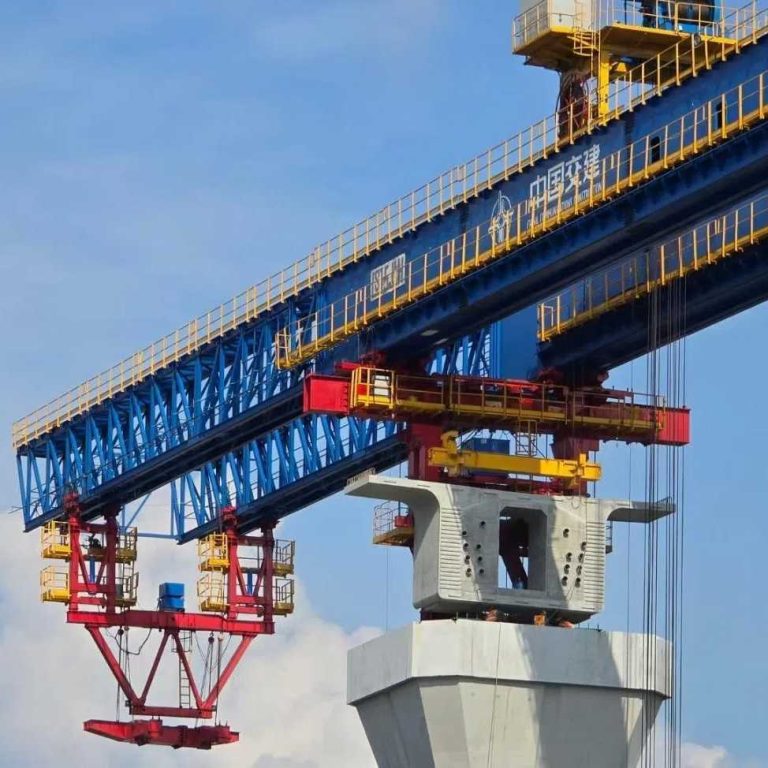
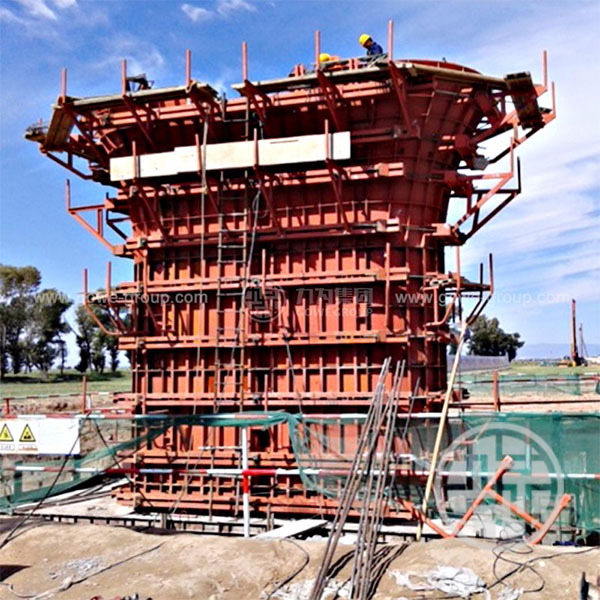
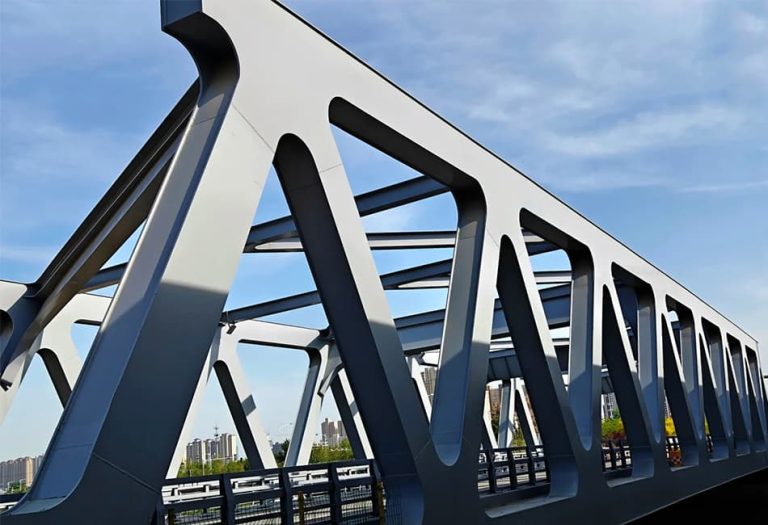
Specialization & Digital Integration: Subcontractors will invest in niche expertise (e.g., complex bridge formwork, green scaffolding) and adopt BIM (Building Information Modeling) to collaborate with architects and engineers seamlessly.
Regional Market Analysis
1. Asia-Pacific (APAC)
Growth Hub: APAC remains the largest market, fueled by massive infrastructure projects in India (e.g., Delhi-Mumbai Expressway), Southeast Asia (e.g., Indonesia’s new capital Nusantara), and China’s “New Infrastructure” initiatives (5G, data centers).
Policy Support: Governments are prioritizing affordable housing, smart cities, and renewable energy, boosting demand for efficient scaffolding and formwork.
2. Middle East and Africa
Mega Projects: The Middle East continues investing in NEOM (Saudi Arabia), Qatar’s post-World Cup infrastructure, and Expo 2025 (Japan, but impacting regional supply chains). Africa’s urbanization (Nigeria, Kenya, South Africa) drives demand for affordable, durable scaffolding.
Key Challenges in 2026
- Supply Chain Disruptions: Geopolitical tensions, raw material shortages (e.g., steel, aluminum), and logistics bottlenecks will impact production and delivery.
- High Initial Costs: While sustainable and digital systems offer long-term savings, their upfront cost may deter small contractors.
- Skill Gaps: The industry faces a shortage of skilled workers trained in advanced scaffolding, formwork, and digital tools. Certification programs and vocational training will be critical.
- Regulatory Complexity: Navigating varying safety and environmental regulations across countries will challenge global suppliers.
Market Forecast for 2026
- Adoption Rates: Professional subcontracting will account for 65-75% of the market share, driven by efficiency and safety benefits.
- Technological Integration: Over 60% of scaffolding and formwork systems will incorporate digital tools (IoT, AI, BIM) by 2026, enhancing safety and project management.
Strategic Recommendations for Industry Players
- Invest in R&D: Develop innovative, sustainable, and modular solutions (e.g., 3D-printed formwork, smart scaffolding) to stay competitive.
- Expand Service Offerings: Offer end-to-end subcontracting (design, installation, maintenance) to capture larger market shares.
- Focus on Training: Address skill gaps through certification programs, partnerships with vocational schools, and on-the-job training.
- Leverage Digital Tools: Adopt BIM, IoT, and AI to optimize operations, improve safety, and enhance customer collaboration.
Conclusion
By 2026, the scaffolding and formwork market will be shaped by sustainability, digitalization, and professionalization. While challenges like supply chain disruptions and high initial costs persist, the industry’s focus on innovation and efficiency will drive sustained growth. Companies that adapt to these trends—by investing in green technologies, digital tools, and skilled labor—will thrive in this dynamic market.