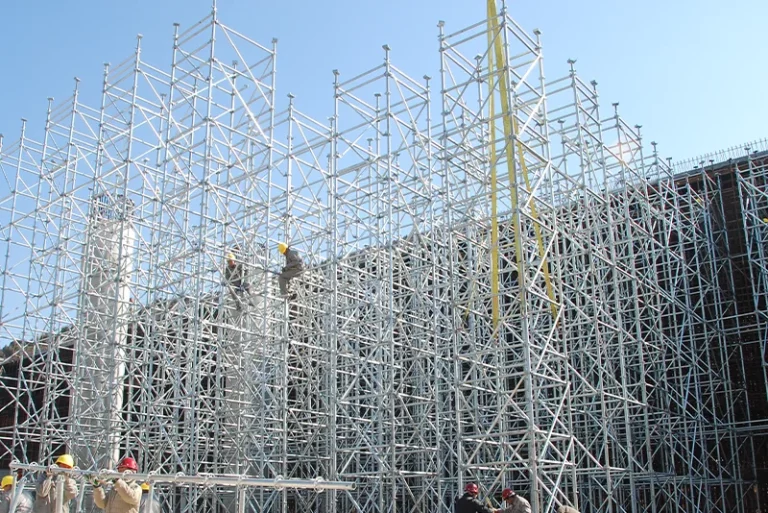

If you’re managing a high-rise residential or mass housing project in 2026, you’ve likely heard the news around aluminium formwork. But is it just hype, or is it the future of efficient construction? This guide will show you why this system is dominating modern job sites and how to leverage it for next project.
What is Aluminium Formwork?
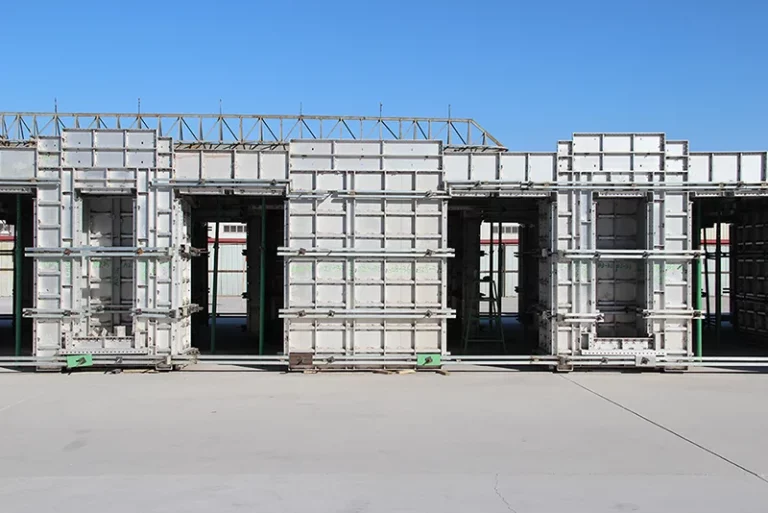
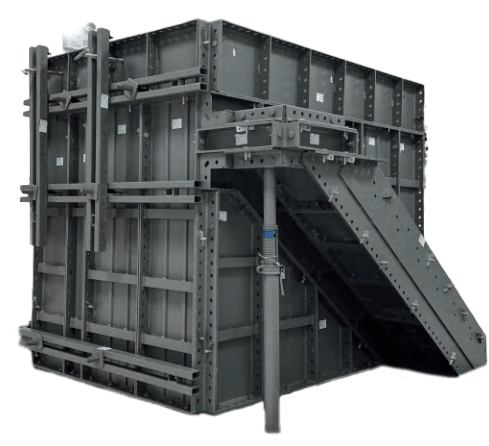
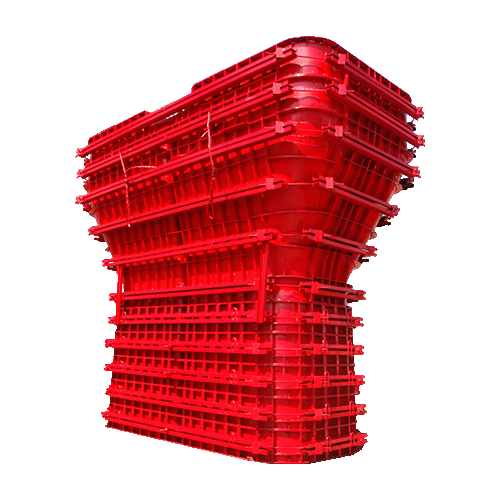
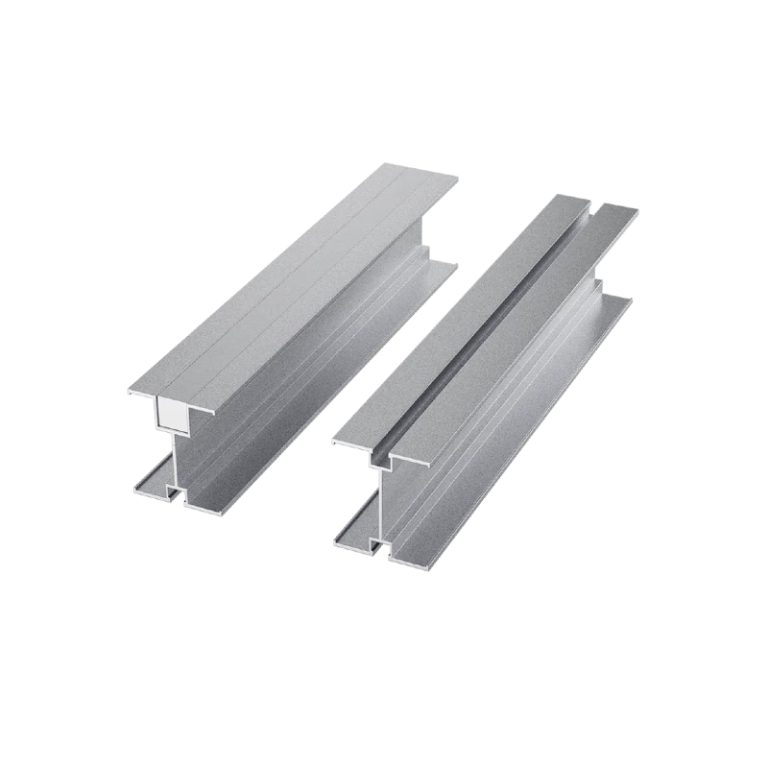
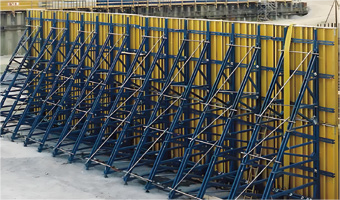
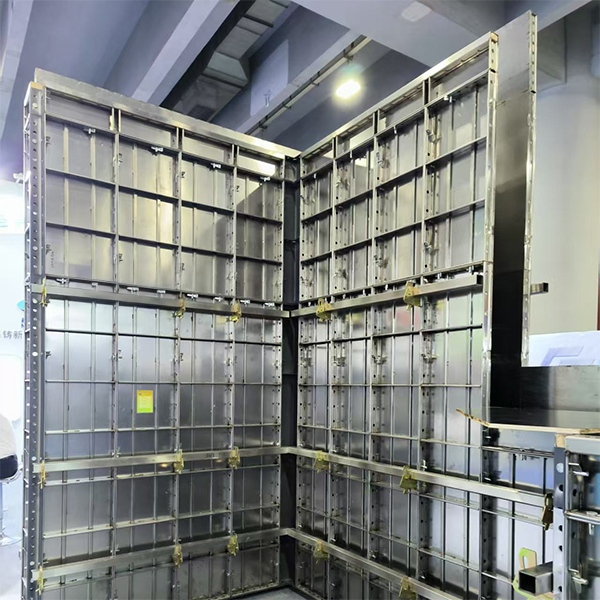
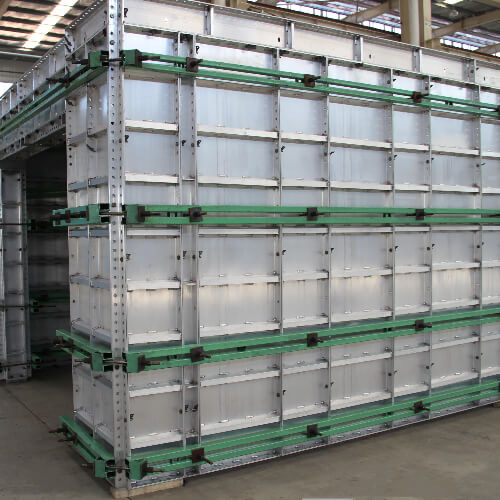
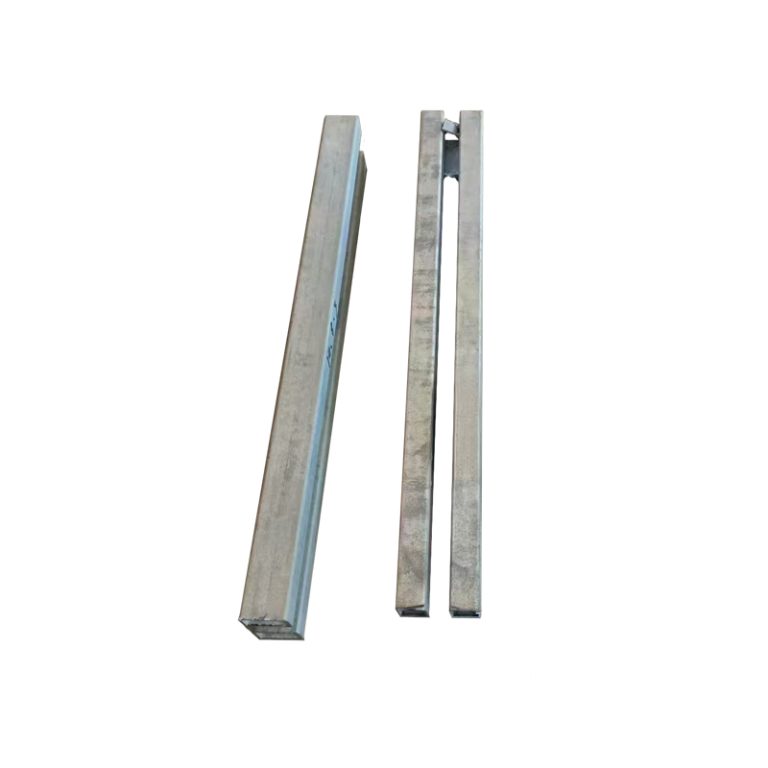
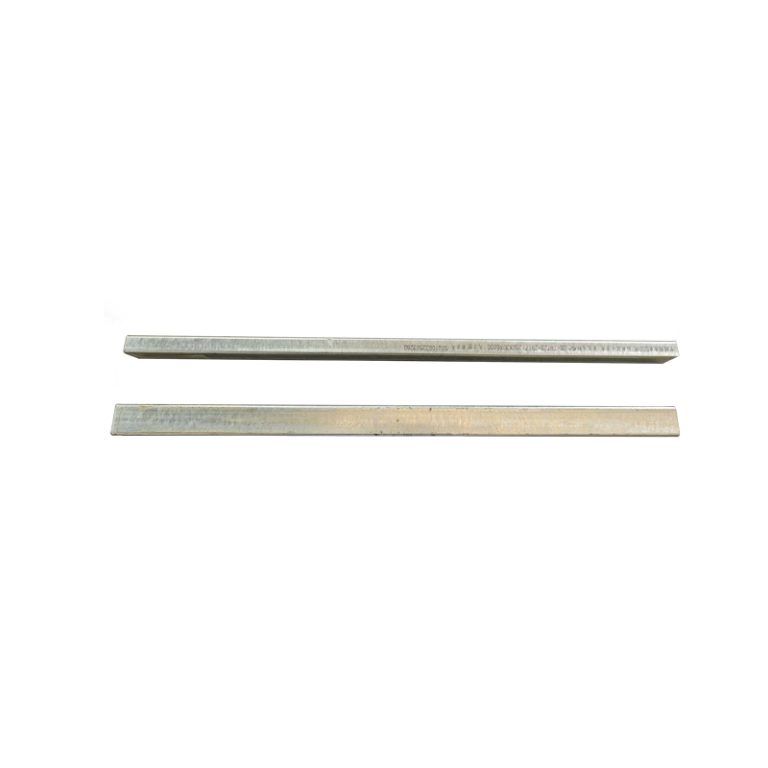
Unlike traditional timber or heavy steel systems, aluminium formwork is a modular, lightweight system made from high-strength alloys (typically 6061-T6 or 6082-T6). It’s designed to be assembled like a giant, precise Lego set to create monolithic concrete structures.
The core principle is repetition. Once the initial investment is made, the same set of panels can be reused hundreds of times, moving from one floor to the next with minimal waste.
Why It’s the Go-To Choice in 2026: 5 Key Advantages
1. Unbeatable Speed & Cycle Time
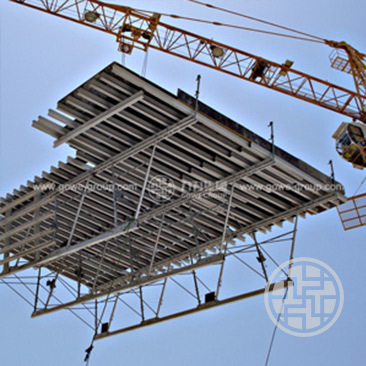
Time is money, and aluminium formwork saves heaps of it. With optimized workflows, contractors can achieve floor cycle times of 4 to 7 days. This is a game-changer for high-rise projects where traditional methods might take two weeks per floor. The lightweight panels (typically 18-25 kg) allow for manual handling, reducing crane dependency and accelerating on-site logistics.
2. Superior Finish & Quality
Precision engineering means fewer callbacks. The panels produce exceptionally smooth concrete surfaces that often eliminate the need for plastering. This not only saves on material and labor costs but also results in better dimensional accuracy for walls, slabs, and staircases.
3. Cost-Effectiveness Through Reusability
While the initial capital outlay is higher than timber, the long-term math is compelling. A single set of aluminium formwork can be reused 200 to 300 times with proper maintenance. For large-scale or repetitive projects, the cost per use becomes significantly lower than disposable plywood systems.
4. Enhanced Safety & Stability
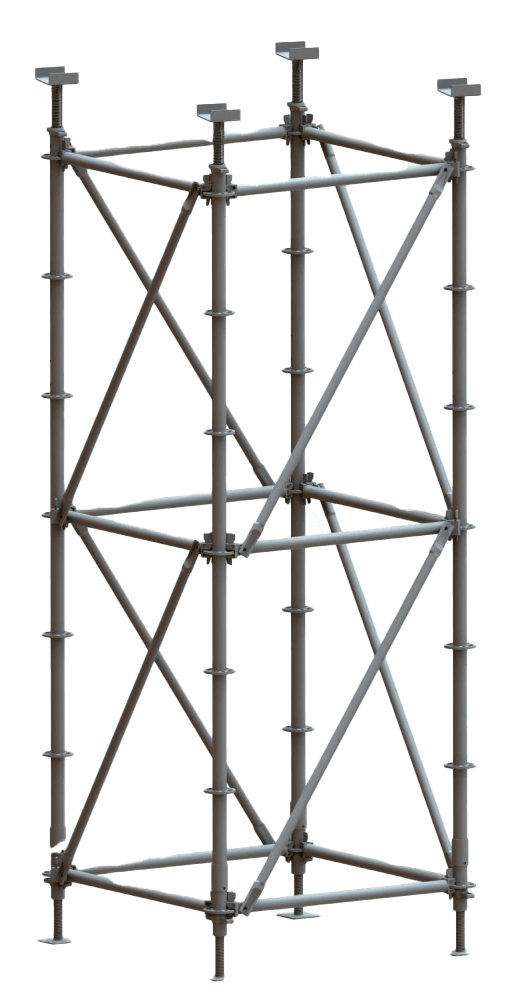
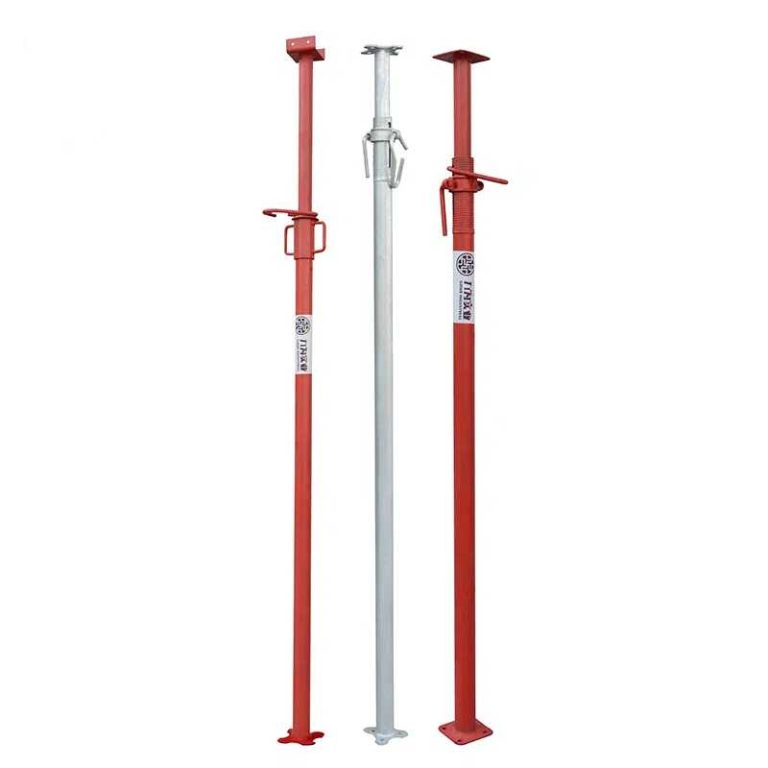
Safety is paramount, and the modular design provides a stable working platform. Integrated support props and rigid panel connections reduce the risk of formwork failure during pouring. Furthermore, the reduced need for wet trades like plastering creates a cleaner, less congested site.
5. Sustainability Credentials
In an era of green building certifications, aluminium formwork scores high. It drastically reduces construction waste by replacing single-use timber. At the end of its life, the aluminium is 100% recyclable, aligning with circular economy principles.
Step-by-Step: The 2026 Construction Workflow
Achieving that 4-day cycle requires a disciplined, military-like process. Here’s how it works on a typical floor:
- Preparation & Layout: After the previous floor is cast, the panels are cleaned, oiled, and hoisted. The setting-out lines are marked, and the starter panels are positioned using laser levels for perfect alignment.
- Assembly: Wall panels are erected first, followed by deck panels and beams. The system relies on pins and wedges for quick connections. Props are placed at calculated intervals (usually 1.0-1.5m) to support the fresh concrete load.
- Pouring & Curing: Concrete is poured monolithically (walls and slabs together where possible). Early-strength concrete is often used to allow for faster striking times—sometimes as early as 12-24 hours for vertical elements.
- Stripping & Cycle Repeat: Once the concrete reaches the required strength (typically 2 N/mm² for walls, 10 N/mm² for slabs), the formwork is carefully stripped, cleaned, and moved up to the next floor.
Where It Works Best (And Where It Doesn’t)
Ideal Applications:
High-Rise Residential Towers: The ultimate use case. Repetitive floor plans maximize ROI.
Mass Housing & Social Infrastructure: Hotels, dormitories, and hospitals benefit from the speed and uniformity.
Shear Wall Structures: Projects using Mivan technology excel here.
Potential Limitations:
Low-Rise or Highly Custom Designs: The system thrives on repetition. Unique, one-off architectural features can be challenging and costly to form.
Initial Learning Curve: Crews need training to assemble the system correctly. A poorly trained team will not achieve the promised cycle times.
The 2026 Edge: What’s New?
This year, the technology is getting smarter. Look out for these trends:
BIM Integration: Leading suppliers now provide full BIM models of their formwork systems, allowing for clash detection and virtual assembly before a single panel arrives on site.
Hybrid Logistics: Combining aluminium formwork with pre-fabricated MEP (mechanical, electrical, plumbing) modules to further slash on-site coordination time.
Advanced Alloys: Newer alloys and coatings are increasing panel lifespan and reducing wear, pushing reuse limits even higher.
Key Takeaway
Aluminium formwork is no longer a niche technology; it’s a mainstream productivity tool. For developers and contractors focused on delivering quality housing at speed while meeting sustainability targets, it represents the most logical choice in 2026.
Before you buy: Ensure your project has sufficient repetition to justify the investment, and partner with a supplier that offers strong technical support and training. The right system, in the right project, can transform your bottom line.